Karst Stratum Monitoring: Subterranean Basin 0 to -350m
Classical Karst Region (Kras)
Speleological Atlas & Field Guide
Slovenia Underground: The Classic Karst Realm
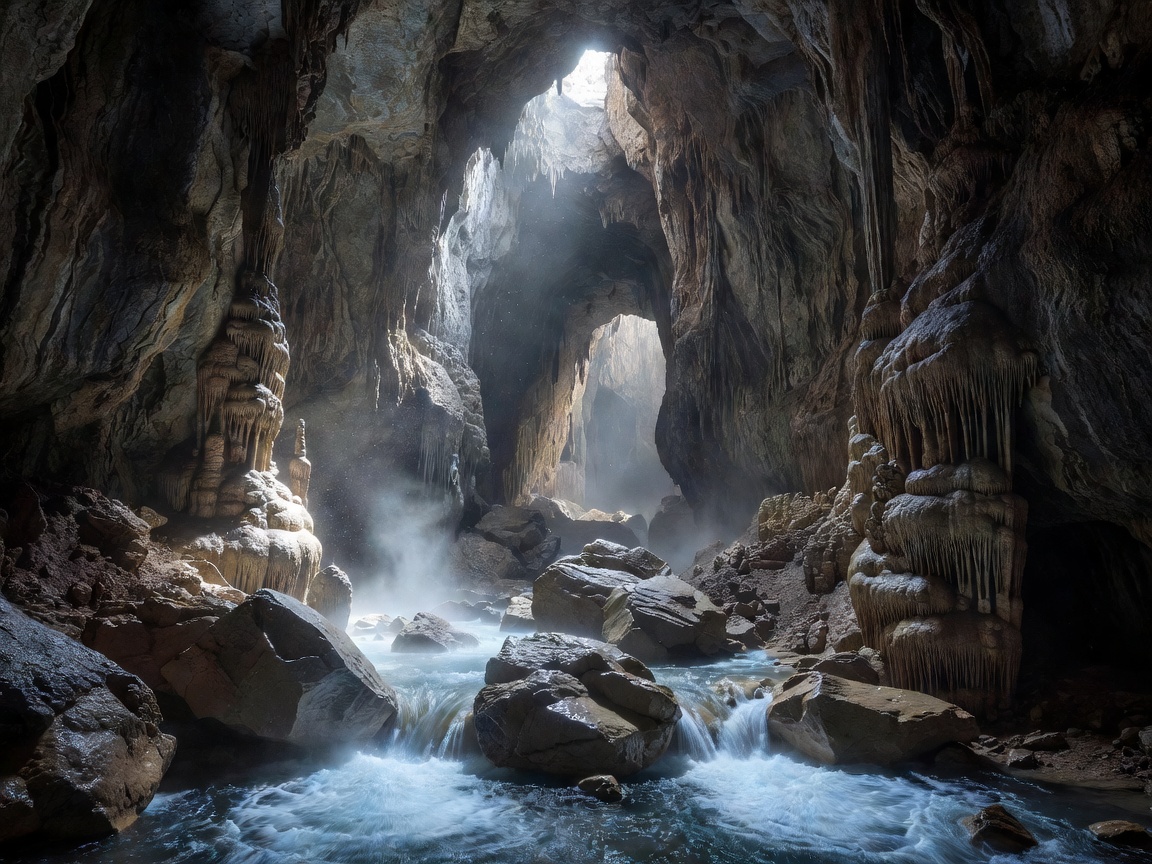
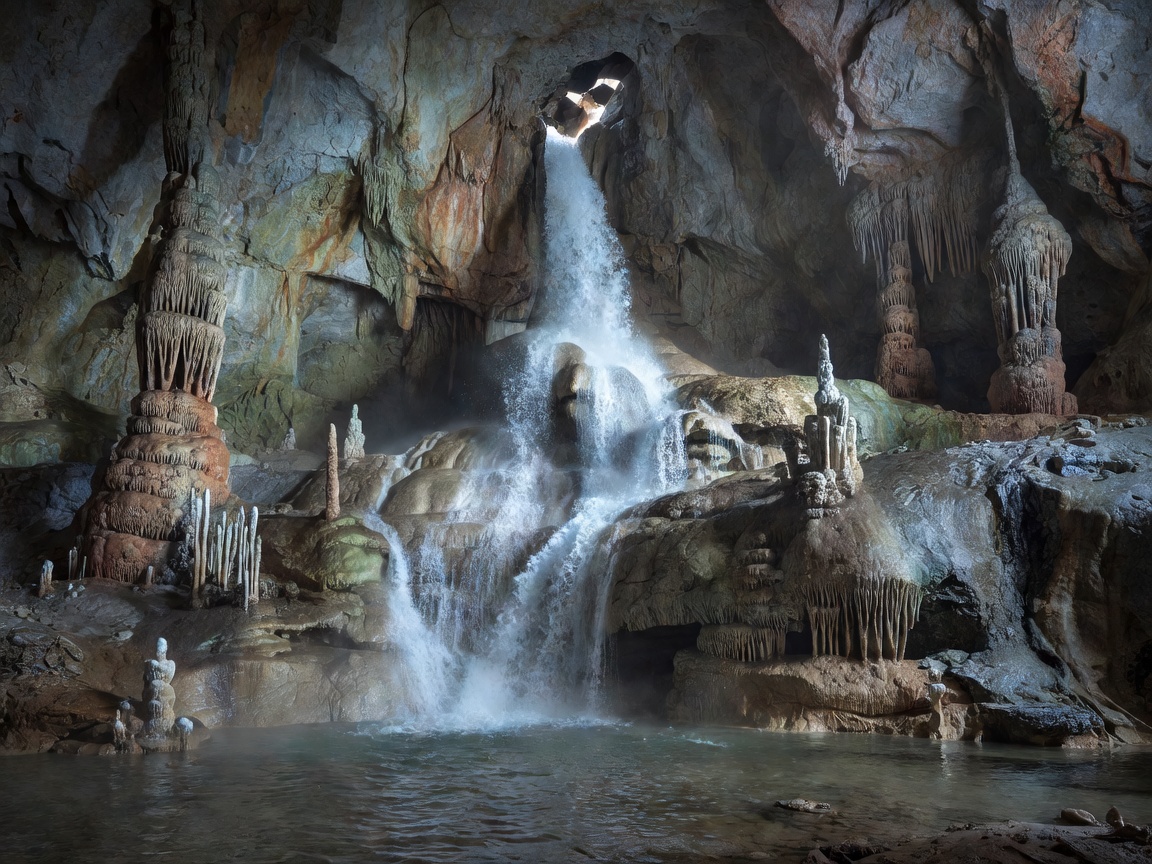
Slovenia is the international birthplace of speleology. Beneath its forested limestone plateaus lie more than 14,000 registered caves, raging subterranean river gorges, emerald crystal lakes, and the endemic olm amphibian (Proteus anguinus).
14,000+Cataloged Caves
144 mMax Canyon Drop
24.1 kmPostojna Network
// SUBTERRANEAN STRATA SCHEMATIC
Classical Karst hydrological dynamic: Epikarst infiltration funneling through vertical dissolution shafts directly into deep limestone aquifer conduits.
Subterranean Systems Index
Explore Slovenia’s Premier Cave Networks
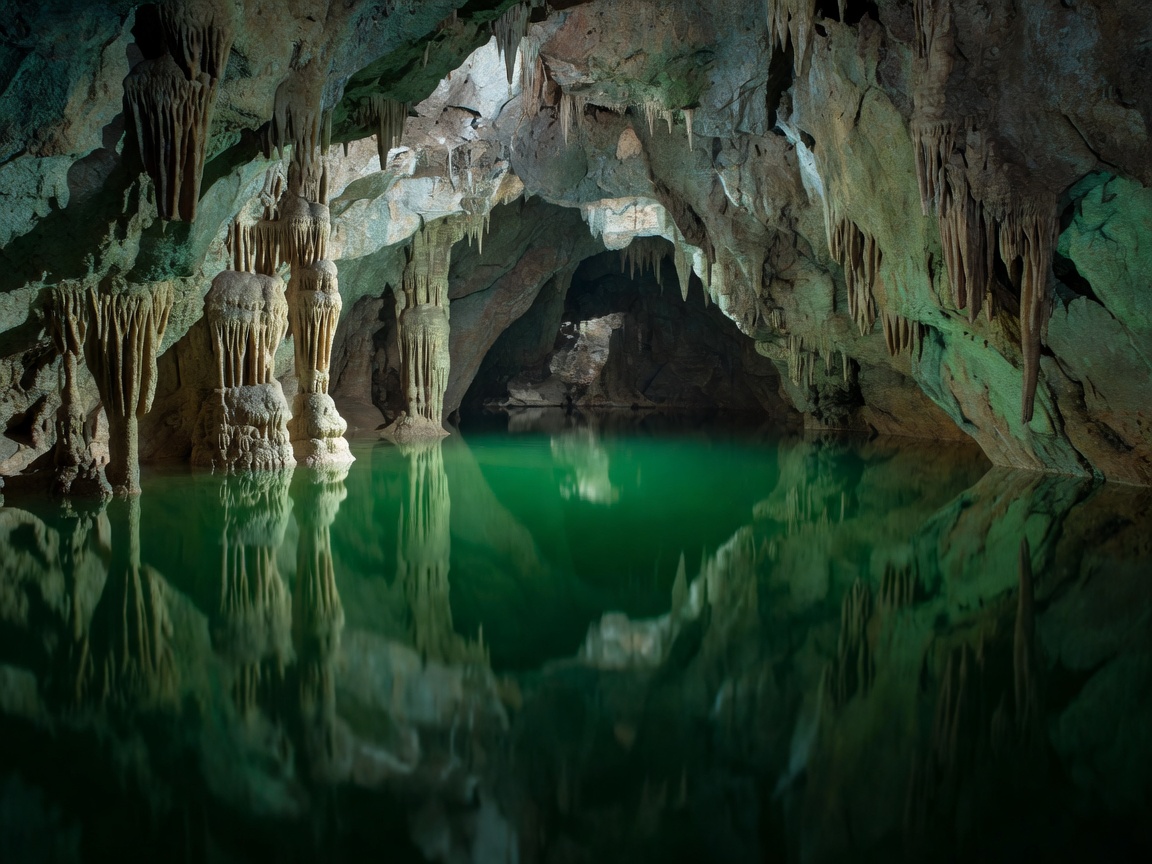
From the massive show-galleries illuminated since 1818 to virgin calcite lakes accessed solely by inflatable boats under strict conservation protocols.
SYSTEM: 24,120 METERSDEPTH: -115 M
Postojna Cave System
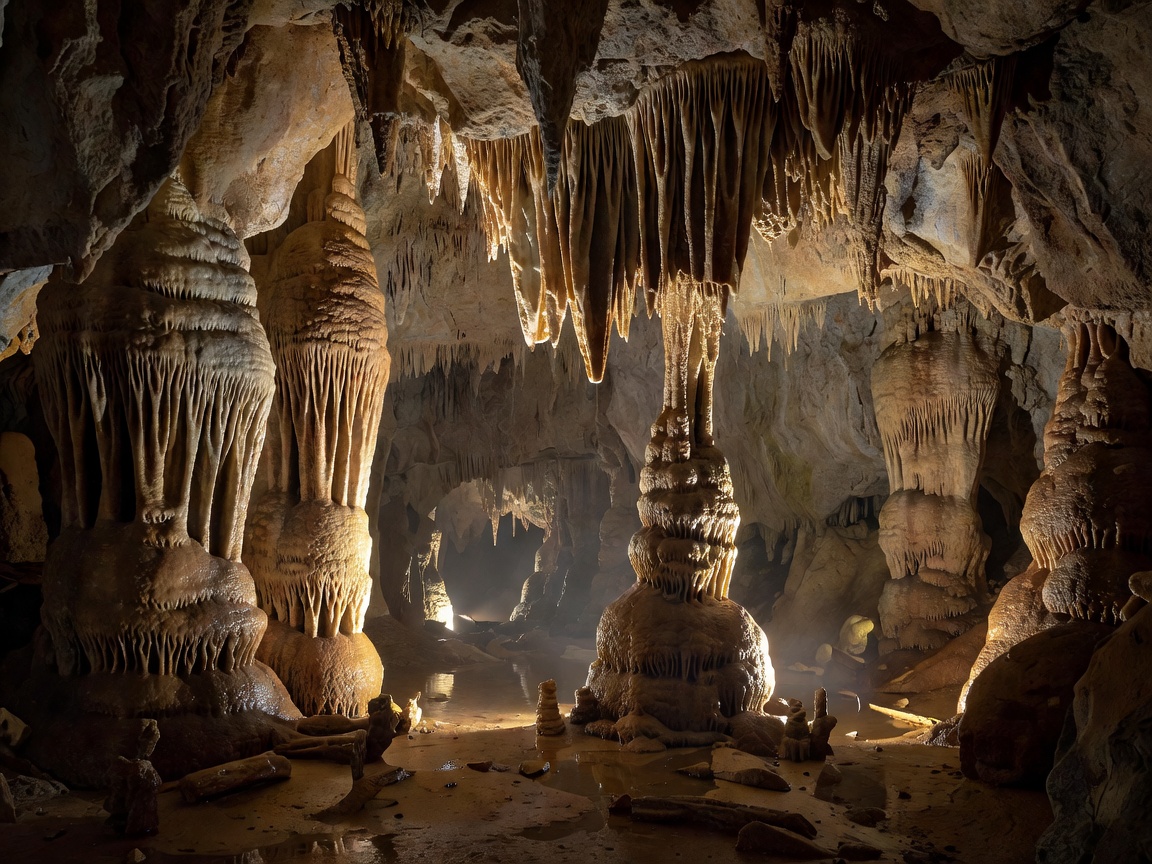
The subterranean titan shaped by the Pivka River, boasting the world’s pioneer cave railway, monumental calcite draperies, and natural olm habitats.
The Kras plateau in southwest Slovenia gave its name to karst phenomena worldwide. Soluble carbonate bedrocks (limestone and dolomite) undergo chemical dissolution by carbonic acid, generating intricate three-dimensional conduits.
LAYER 1: EPIKARST (0m to -25m)
Surface Dissolution
Highly fractured, weathered surface zone capturing rainfall. Here, dolines (sinkholes) form funnel pathways that direct surface precipitation into vertical shafts rather than overland streams.
LAYER 2: VADOSE ZONE (-25m to -180m)
Free-Falling Gravitational Flow
Unsaturated limestone corridors where water drains vertically downwards under gravity. Characterized by deep potholes, vertical pits, and dry fossil galleries abandoned by downcutting rivers.
LAYER 3: PHREATIC ZONE (-180m and deeper)
Saturated Hydrostatic Network
Permanently water-filled conduits operating under hydrostatic pressure. Submerged siphons, blind conduits, and giant phreatic loops that emerge at karst springs such as the Timavo springs.